How an Affordable Robotic Arm Kit Became a Personal Lab Assistant With a Mind of Its Own
A $60 arm kit, a few servos, and the D-Robotics RDK X5 edge AI board turned scrap into Bud-E — a voice-driven lab assistant with personality, no million-dollar lab required.
Built by MateoTechLab, Bud-E showcases how accessible hardware and AI can bring ambitious robotics projects to life.
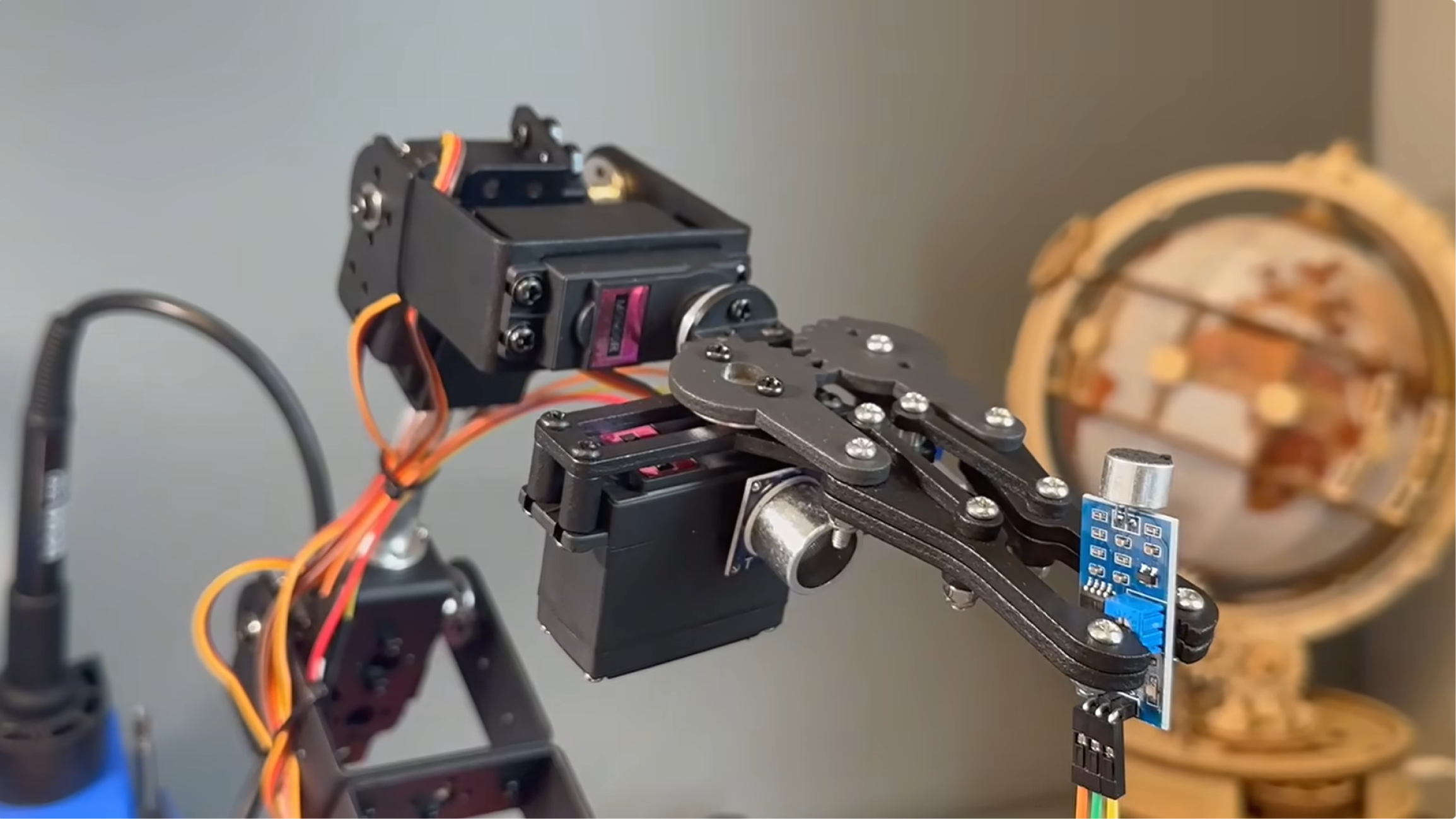
While million-dollar machines and high-tech lab headline-grabbers are common in modern robotics, one builder proved you do not need either to build a robotic assistant from scratch. For this build, the ingredients were a $60 arm kit used in the project, a pack of servos, and the D-Robotics RDK X5 edge AI development board.Say hello to Bud-E, a sassy robotic arm powered by artificial intelligence and supercharged with sensors—crafted in a backyard workshop. Conceived from a do-it-yourself kit and brought to life through D-Robotics' RDK X5 development board, Bud-E does not just move by voice command—he listens, responds, and delivers witty replies.
From Claw Toy to Companion
The story began with a simple ambition: to turn a generic robotic arm kit—one of those inexpensive six-degree-of-freedom sets available online—into something with real functionality and a touch of flair. Inspired by projects like F.L.E.X., a remote-controlled robotic hand from the same builder, and the iconic Dum-E arm from Iron Man, the goal was clear: give the machine a brain and a bit of personality.Out of the box, the kit was just motors, brackets, and screws—a blank canvas. Assembly felt like building a Lego set. But the vision went far beyond simple remote control.
Giving Bud-E Eyes, Ears, and a Voice
To elevate the robotic arm into a functional assistant, several upgrades were made:
- Ultrasonic sensor: Allows Bud-E to detect nearby objects—essential for catching or receiving items.
- Voice command module: Supports real-time voice interaction, while natural-language understanding and dialogue responses can depend on cloud API services when MOSS Agent or large-model capabilities are used.
- Onboard processing: Removes the need for a constant computer connection by embedding intelligence directly into the robot.
The foundation for all this capability? The D-Robotics RDK X5, a compact 10 TOPS edge AI development board for robotics and intelligent computing.
The Power of the RDK X5
At the heart of Bud-E’s brain is the RDK X5, a compact circuit board with the kind of specs usually reserved for industrial robotics:
- Octa-core Cortex-A55 CPU @ 1.5GHz
- 10 TOPS AI BPU performance; in D-Robotics' RDK Model Zoo benchmark, YOLOv8n at 640x640 on a BPU-quantized model reaches 141.9 FPS with one BPU thread and 247.2 FPS with two BPU threads
- Built-in GPU, USB 3.0, HDMI, Gigabit Ethernet with PoE, Bluetooth 5.4
- Access to D-Robotics rdk_model_zoo resources, including model examples for vision, speech, and sensor-related AI application development on RDK platforms
- Runs independently like a desktop—just plug in a mouse, keyboard, and monitor
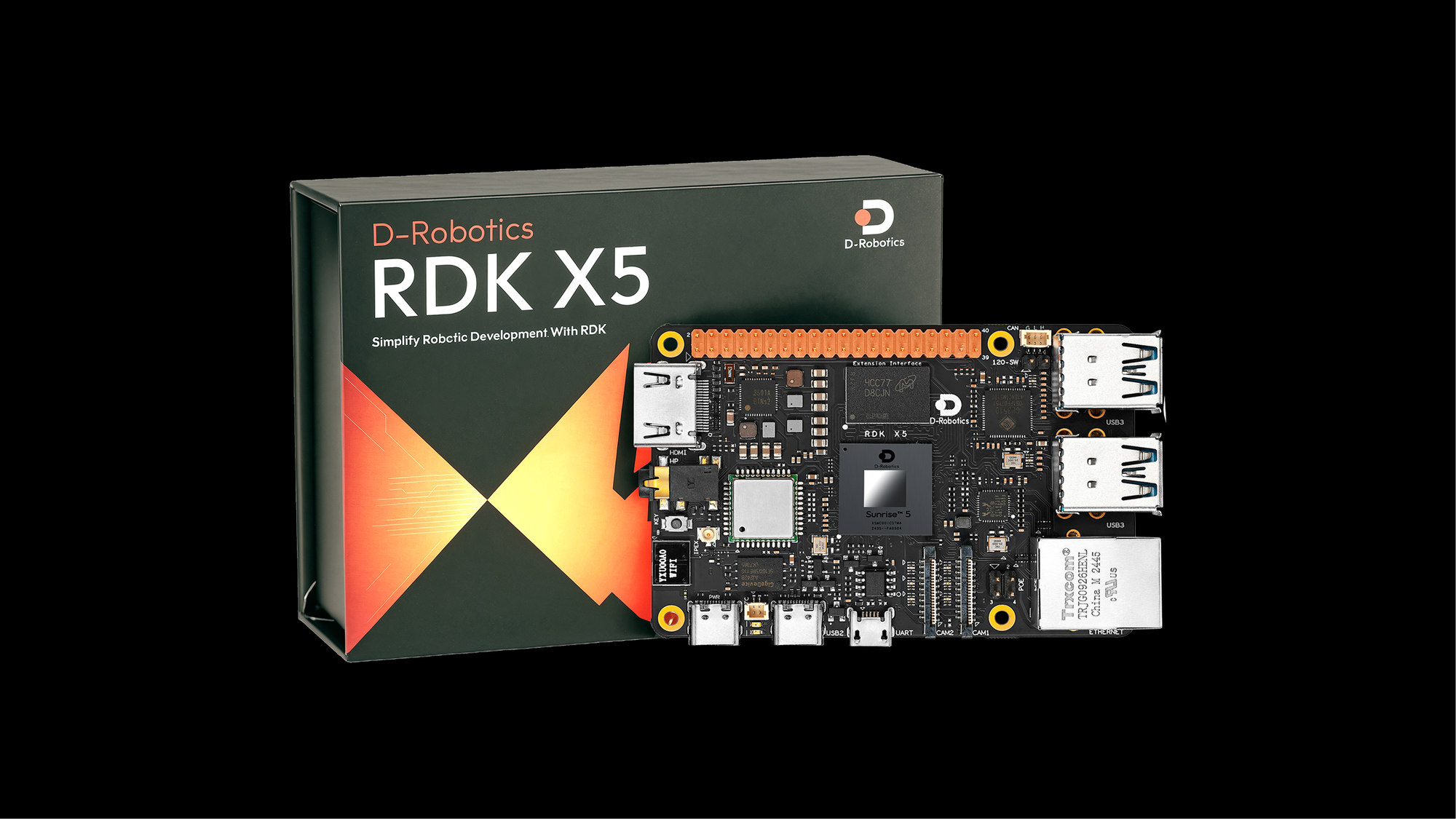
This wasn’t just the board of choice for Bud-E—it made the project possible in the first place. From object sensing to local control and edge AI inference, the robot can run standalone without a tethered PC, while cloud/API services may be used for natural-language interaction depending on configuration.
Bringing Bud-E to Life
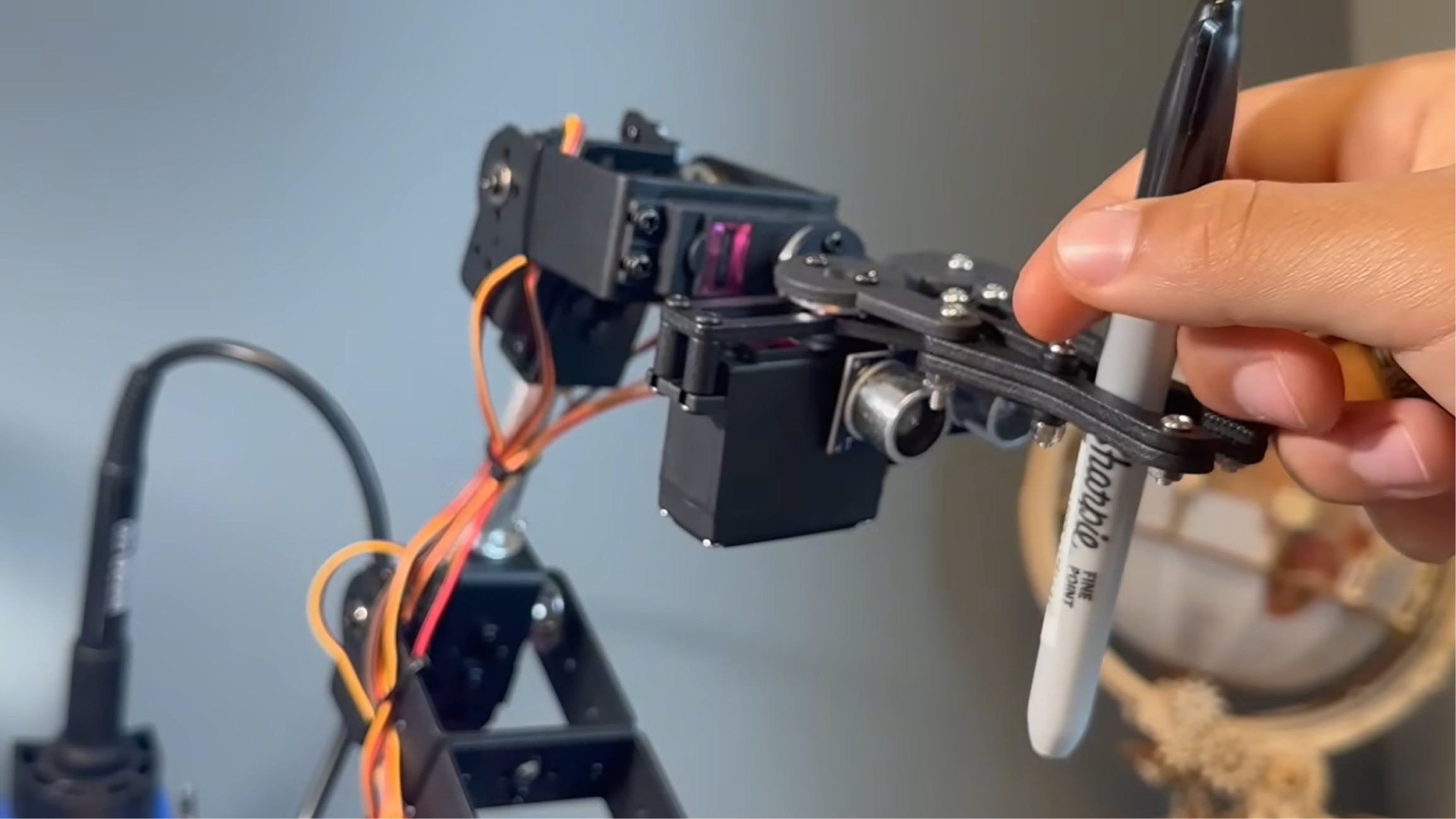
With the hardware ready and code uploaded, the transformation began. Bud-E powered on, ran diagnostics, and awaited commands. The voice interactions felt fluid:“Hey Jarvis, are you there?”“Welcome back. How may I be of assistance?”As tasks like holding a microphone or picking up objects were demonstrated, Bud-E responded quickly and smoothly. The voice personality module gave him a slightly cheeky edge—more lab partner than silent tool.The creator made sure to install the latest OS from the D-Robotics website to ensure compatibility and avoid bugs. Once the system was live, Bud-E ran independently as a voice-controlled assistant, ready to assist, react, and evolve.
A DIY Journey With Big Lessons
Watch the full build journey here: https://www.youtube.com/watch?v=seWbqCVfPfE
This wasn’t about showing off a commercial product—it was about proving what’s possible in a home environment with accessible tools and creativity. The builder emphasized:“You don’t need a multi-million dollar lab to be an engineer.”From inspiration and assembly to AI integration, this journey highlighted the magic of mechatronics—bringing together hardware, electronics, and code into a unified machine. It’s the closest thing to being Iron Man without the suit.
Final Thoughts
Bud-E isn’t just a robotic arm; it’s a statement. A reminder that with the right tools and enough imagination, anyone can build intelligent machines from their living room. Whether you’re a student, engineer, or hobbyist, platforms like the RDK X5 are lowering the barriers to entry and fueling the next wave of personal robotics.Stay curious. Keep building.