RDK X5: A Compact Powerhouse for Edge AI and Robotics Projects
Boasting 10 TOPS AI performance and built-in dual-camera vision, the rugged RDK X5 features Ubuntu compatibility and 220 FPS processing for streamlined robot creation.
In the growing world of edge computing, where small boards are expected to deliver big performance, the RDK X5 from D-Robotics stands out as a compelling new entry📈. This board isn’t just for tinkerers; it’s shaping up to be a serious tool for developers working in AI, robotics, and embedded vision systems.We recently got hands-on time with the board and its companion Stereo Vision Camera Module, and came away impressed by just how much horsepower this little system delivers.
First Impressions: Small Form Factor, Professional Build
The RDK X5 arrives in a neatly packaged kit that includes:
- The RDK X5 main board (85mm × 49mm)
- A rugged black metal case for heat dissipation and protection
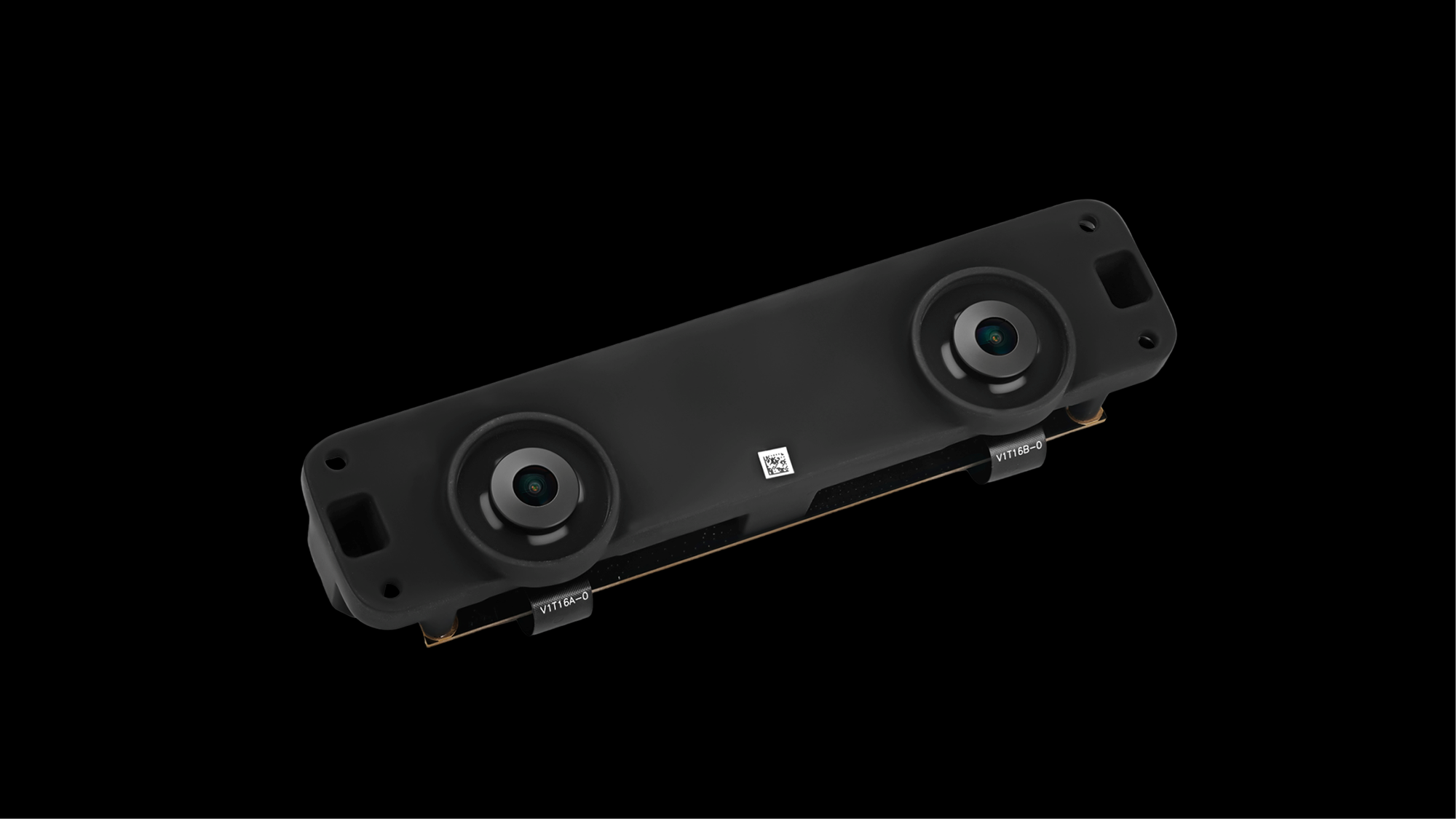
- The RDK Studio Vision Camera Module, featuring dual 2MP Full HD sensors (f/2.2 aperture, 6.46mm × 4.6mm sensor size) 📸
Though compact, the board's construction feels robust and ready for real deployment, not just prototyping. It’s clear this isn’t a toy; it’s an edge-compute workhorse.
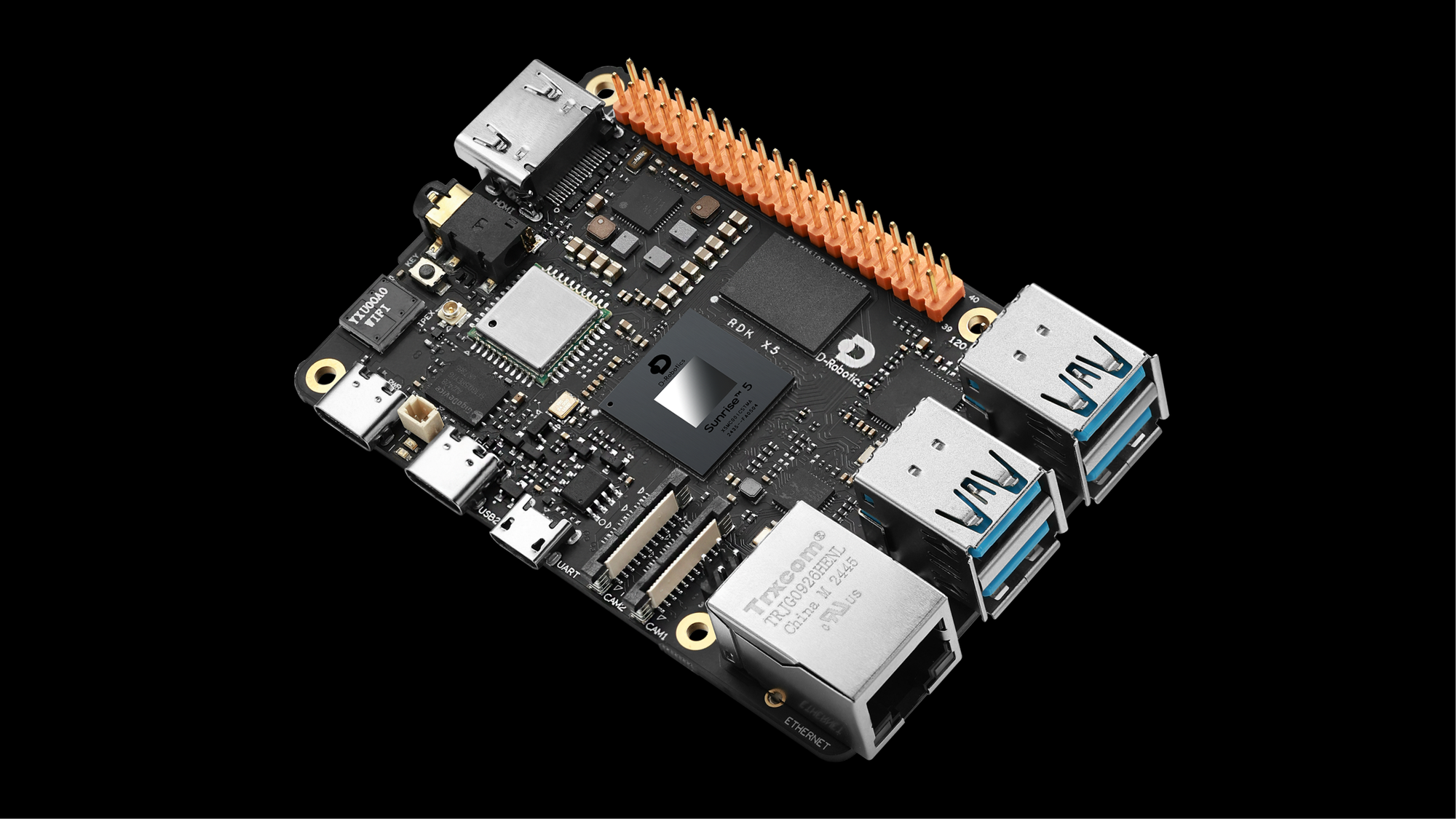
Core Specs and Why They Matter
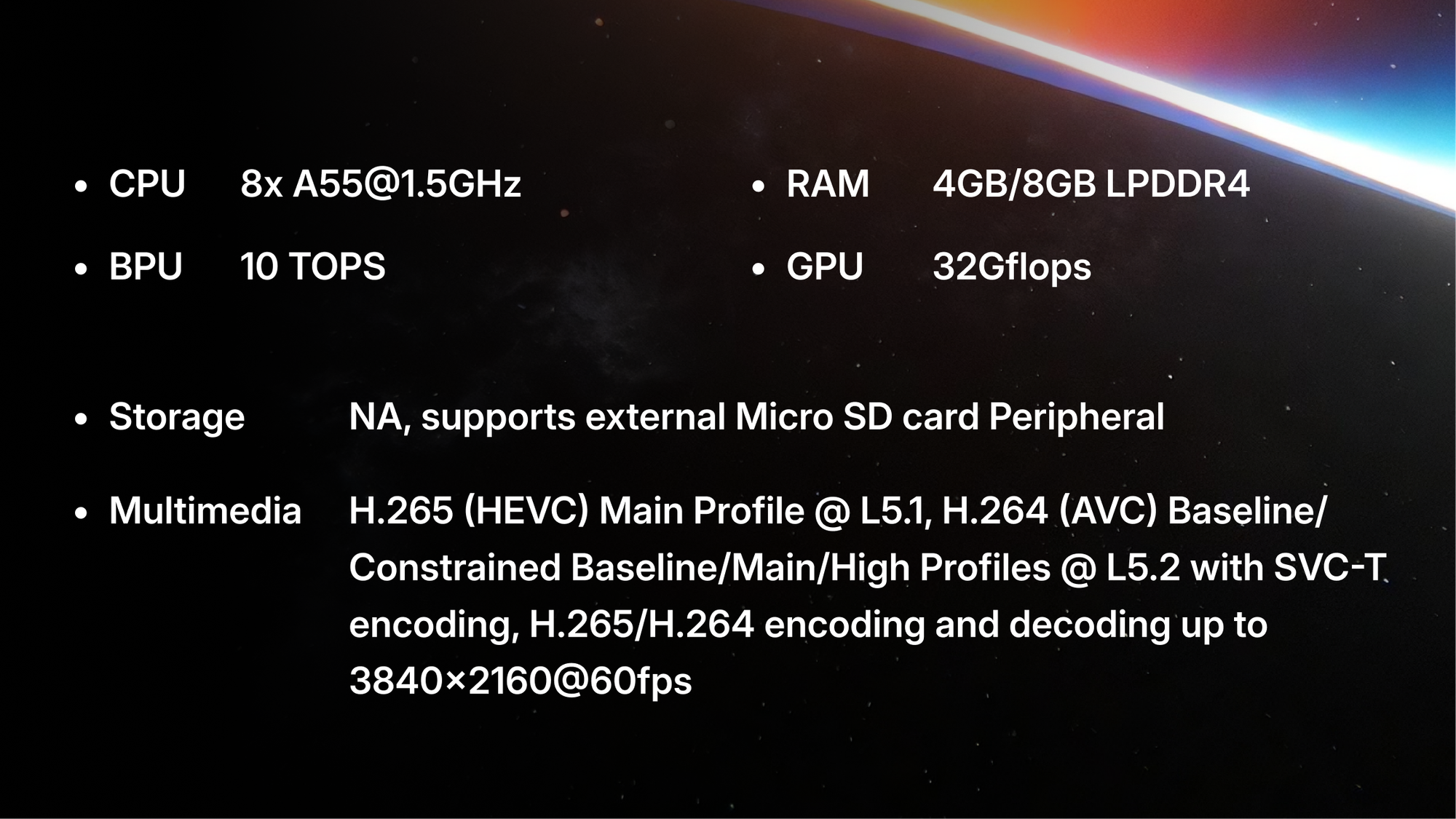
At the heart of the RDK X5 is an octa-core Cortex-A55 processor, clocked at 1.5GHz, paired with a dedicated BPU (Brain Processing Unit) capable of delivering 10 TOPS (trillions of operations per second)⚡️. This makes it ideal for real-time inference tasks, from object detection to speech processing.Other notable hardware features include:
- GPU: A 32G FLOP graphics unit for rendering and lightweight vision work 🎨
- RAM Options: 4GB or 8GB
- Storage: Expandable via microSD card
- Connectivity: 4× USB 3.0, 1× USB-C (power input), Gigabit Ethernet with PoE, Dual-band Wi-Fi + Bluetooth 5.4
- I/O & Interfaces: Dual MIPI-CSI camera inputs, HDMI (up to 1080p), MIPI DSI display interface, 40-pin GPIO (supporting UART, SPI, I2C, PWM, CAN FD), 3.5mm audio jack
The breadth of interfaces makes it flexible for hardware control, sensor integration, and machine vision, all in one board.
Real-World Performance: Fast Boot and Responsive Desktop
Installing the OS (Ubuntu 22.04 customized by D Robotics) was seamless. Using a flashed microSD card and standard peripherals, the board booted to the desktop in under 70 seconds, no configuration required.Once connected to Wi-Fi, the desktop experience was surprisingly smooth. Web browsing, basic dev tasks, and video playback all ran with minimal lag. This level of usability makes it more than just a processing node—it’s a fully interactive development environment💻.
Stereo Vision That Makes a Difference
The real star of the setup is the dual-camera module, which delivers live stereo imaging for depth-aware perception. With both sensors capturing the same scene from slightly different angles—just like human vision—the system can estimate depth with accuracy. This unlocks:
- 3D object localization
- Robotic grasp planning
- Obstacle avoidance in autonomous navigation
- Gesture-based interaction 👋
It’s plug-and-play ready too. The OS comes preloaded with demo scripts, including one for real-time YOLO-based object detection.
Benchmarking AI Performance: YOLO on RDK X5
In our RDK Model Zoo benchmark, YOLOv8n at 640×640 reaches 141.9 FPS with one BPU thread and 247.2 FPS with two BPU threads on RDK X5, while larger YOLO models trade throughput for higher model capacity.
This kind of throughput means real-time perception is no longer a stretch, even for complex, high-speed environments. Whether you’re building smart surveillance systems, autonomous drones, or industrial robots, the RDK X5 has the grunt to keep up.
Who Is It For?
The RDK X5 doesn’t just target hobbyists. It’s well-suited for:
- AI developers working on lightweight inference
- University researchers in robotics and computer vision
- Startup teams prototyping edge-AI products
- STEM educators seeking a hands-on AI-ready board
Its low price point and out-of-the-box compatibility with Ubuntu and ROS ecosystems lower the barrier to experimentation and deployment.
Final Thoughts: RDK X5 Redefining Edge Computing Performance
With the RDK X5, D-Robotics has managed to pack serious capabilities into a board the size of a business card. The combination of processing power, camera integration, and software-ready usability makes it one of the most versatile boards in its price class.Whether you're teaching a robot to navigate your living room or prototyping an edge AI kiosk 🏪, this board delivers the compute you need—without the cost or bulk of a full desktop setup.